The Role of PA6 and PA66 Compounds in Electrical and Electronic Components
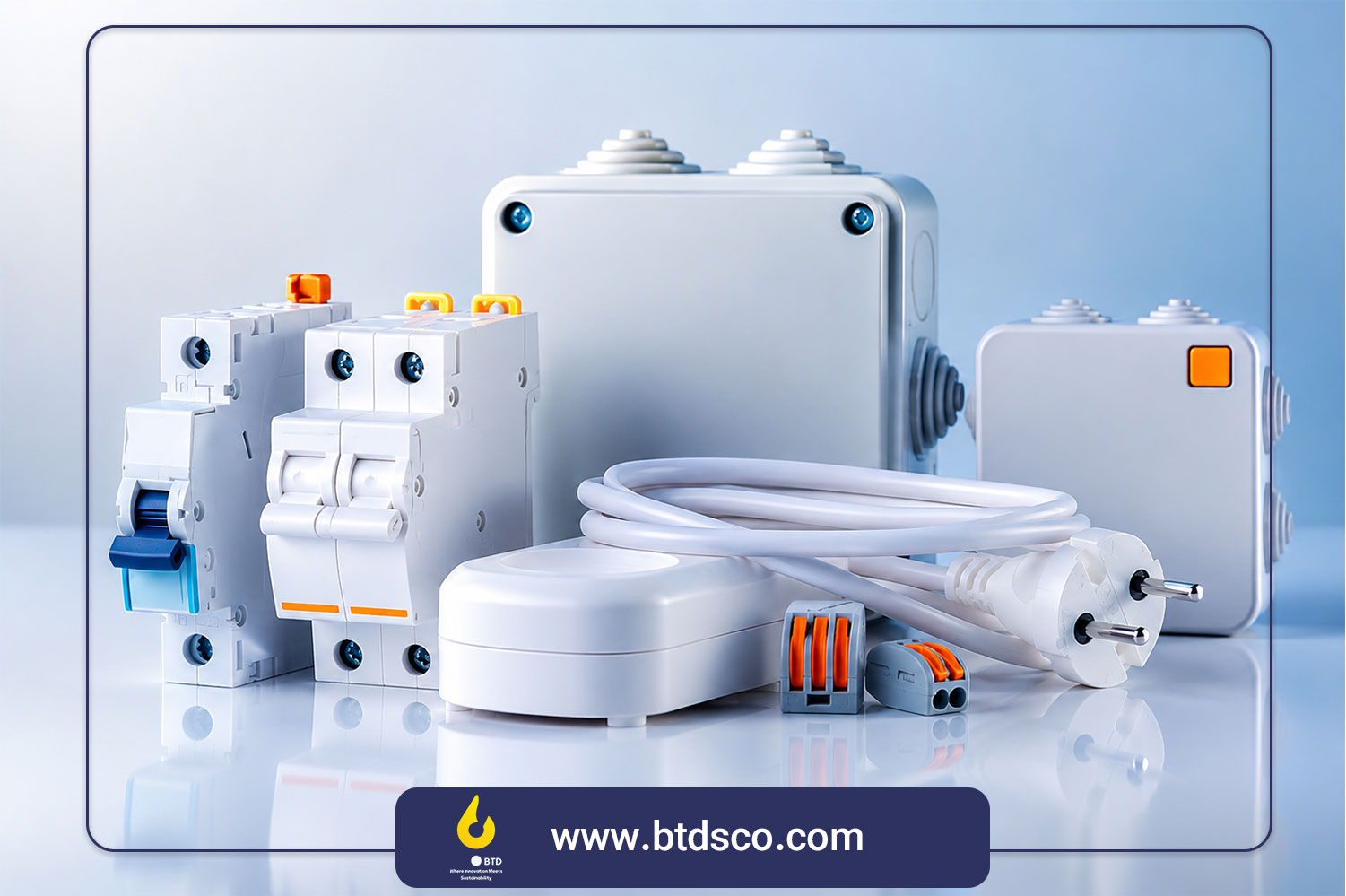
The Role of PA6 and PA66 Compounds in Electrical and Electronic Components
The rapid growth of the electronics industry and the increasing demand for electrical and electronic equipment have significantly expanded the need for high-performance engineering polymers. The miniaturization of electronic devices, higher power densities, the development of smart power grids, and the rapid adoption of electric vehicles have introduced new performance requirements for materials used in electronic components.
Among engineering plastics, polyamides—particularly Polyamide 6 (PA6) and Polyamide 66 (PA66)—have become essential materials for electrical and electronic applications due to their unique combination of mechanical strength, thermal stability, and electrical insulation properties.
According to industry reports, approximately one-third of global engineering polyamide consumption is dedicated to the electrical and electronics (E&E) sector. The expansion of power infrastructure in emerging economies, increasing demand for electrical protection equipment, and continuous growth of consumer electronics are among the primary drivers behind this trend.
In this article, Baspaar Tose'e Davam Shimi explores the role of engineering polyamides—particularly PA6 and PA66—in the electrical and electronics industry, highlighting their technical and safety requirements, key applications, and future development trends.
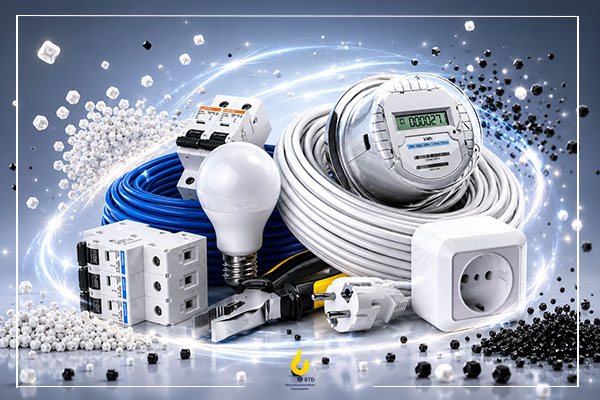
Performance Requirements of Polyamides in Electronic Applications
Modern electronic components operate under demanding conditions, including elevated temperatures, fluctuating electrical loads, moisture exposure, and continuous mechanical stress. Consequently, engineering materials used in these applications must simultaneously satisfy multiple performance requirements.
The most important requirements include:
- Flame retardancy and compliance with safety standards such as IEC 60695-2
- High thermal stability at elevated operating temperatures
- Excellent electrical insulation and dielectric properties
- Resistance to electrical tracking and arc formation
- Dimensional stability during thermal cycling
- Resistance to chemicals and moisture
- Excellent processability for high-volume manufacturing
The Importance of Flame-Retardant Polyamides in Electrical Safety
PA66 is widely used in connectors, circuit breakers, power distribution equipment, and industrial control systems. However, both PA6 and PA66 are inherently combustible due to their chemical structure. Since these materials are extensively used in Electrical and Electronic Equipment (EEE), flame retardancy has become one of their most critical performance requirements.
For this reason, polyamide compounds intended for electrical applications must comply with stringent international fire safety standards and flame resistance tests.
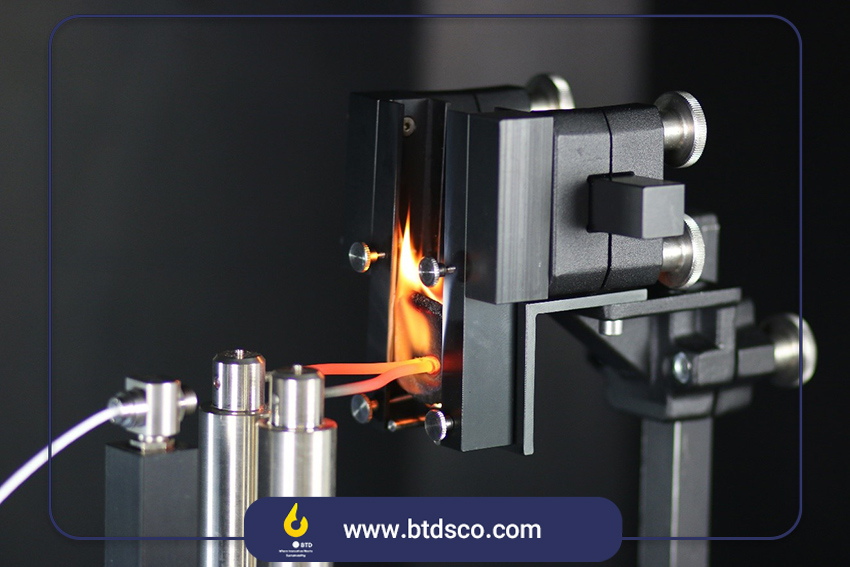
The most important flame-retardancy evaluations include:
- UL94 Flammability Test
- Glow Wire Flammability Index (GWFI)
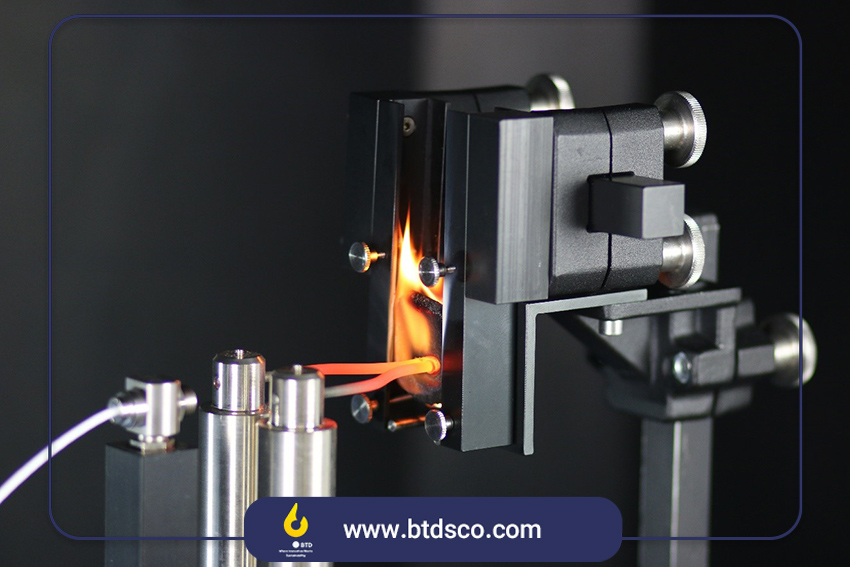
The objective of developing flame-retardant polyamide grades is to achieve the highest safety ratings, including:
- UL94 V-0 classification at both 0.8 mm and 1.6 mm specimen thicknesses
- Successful GWFI performance at glow-wire temperatures between 860°C and 960°C
In recent years, environmental regulations and stricter legislation have accelerated the adoption of halogen-free flame-retardant polyamide compounds. These materials provide excellent mechanical, thermal, and electrical performance while meeting increasingly demanding fire safety requirements.
In addition, glass-fiber reinforced polyamides incorporating advanced flame-retardant systems have demonstrated excellent performance in Glow Wire Ignition Temperature (GWIT) testing, making them suitable for highly demanding applications such as household appliances, power distribution equipment, industrial connectors, and high-voltage electrical systems.
Electrical and Electronic Components Manufactured from PA6 and PA66 Compounds
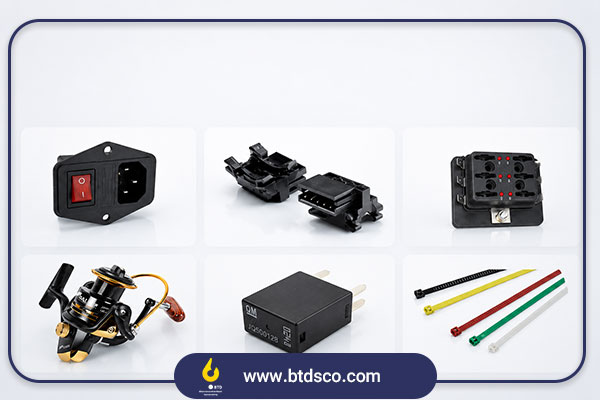
1. Connectors and Sockets
-
Electrical connector housings
- Electrical sockets and plugs
- Wire terminals
- Automotive connectors
Flame-retardant PA66 grades are particularly common in these applications.
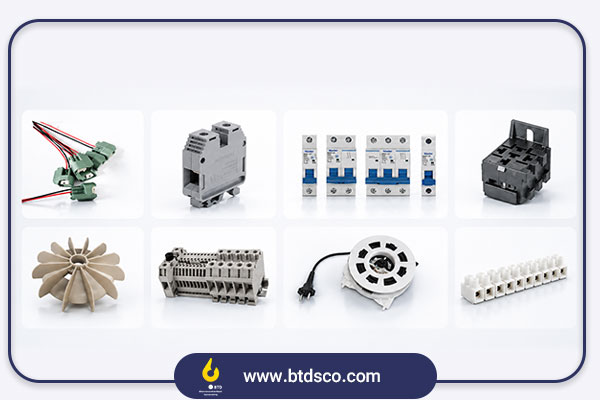
2. Switches, Sockets, and Power Distribution Equipment
- Switch housings
- Internal socket components
- Insulating components in electrical panels
- Busbar supports
3. Circuit Protection Devices
- Miniature Circuit Breaker (MCB) housings
- Contactor components
- Relays
- Fuse holders
These applications commonly utilize PA66 GF25 or PA66 GF30, reinforced with 25–30% glass fiber.
4. Cable Management Components
- Cable ties
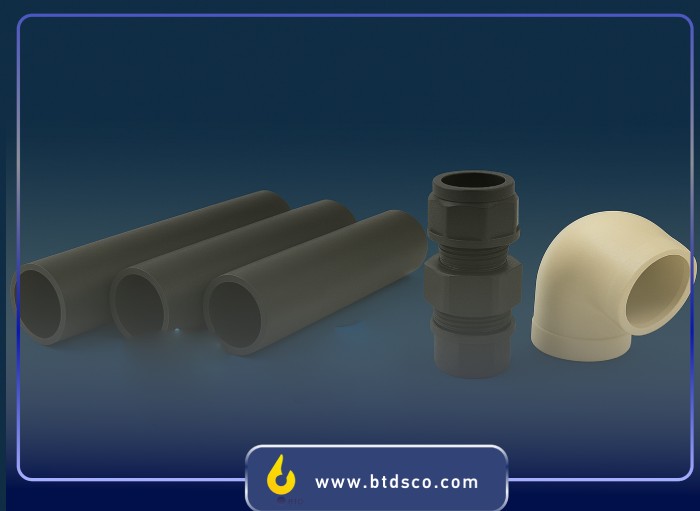
- Cable glands
- Wire clips and cable clamps
- Cable ducts and holders
One of the best-known applications of PA66 is the production of cable ties.
5. Electric Motor Components
- Coil bobbins
- Cooling fans
- Motor terminal boxes
- Internal insulating components
6. Electronic Equipment
- Sensor housings
- Electronic enclosures
- PCB supports
- Internal power supply components
The Evolution of PA66 in Electrical Connectors
The use of PA66 in electrical connectors has evolved considerably over the past several decades.
During the 1970s, the introduction of glass fiber reinforcement significantly improved its mechanical strength and dimensional stability. In the 1990s, flame-retardant formulations became widely available. More recently, development efforts have focused on improving hydrolysis resistance, increasing thermal stability, and reducing the coefficient of thermal expansion.
Current development objectives include:
- Continuous operating temperatures exceeding 125°C
- Improved resistance to electrical tracking
- Enhanced durability under combined thermal, humid, and electrical loading conditions
These characteristics are becoming increasingly important in electric vehicles, 5G telecommunications equipment, and power electronics systems.
Future Trends and Market Opportunities
The global electrical connector market is experiencing strong growth and is projected to increase from approximately USD 70 billion in 2023 to over USD 110 billion by 2028. Polyamides account for approximately 35% of the engineering polymer market used in electrical connectors.
Key development trends include:
- High-frequency resistant grades for 5G systems
- Improved thermal management in electronic devices
- Thermally conductive polyamides for semiconductor packaging
- Expanded use in energy storage systems and electric vehicles
- Complete elimination of halogenated and phosphorus-based flame retardants
Purchasing PA6 and PA66 Compounds from Baspaar Tose'e Davam Shimi
Baspaar Tose'e Davam Shimi manufactures and supplies a comprehensive range of PA6 and PA66 engineering compounds, including:
-
Glass-fiber reinforced grades
- Flame-retardant grades
- Custom-engineered formulations
These materials are specifically designed to meet the requirements of the electrical, electronics, automotive, lighting, railway, and household appliance industries.
For technical consultation, material selection, pricing inquiries, or detailed product specifications, please contact the company's sales and technical experts.
Conclusion
Engineering polyamide compounds have become one of the most important material families in the electrical and electronics industry due to their balanced combination of mechanical strength, thermal performance, electrical insulation, and cost-effectiveness.
As safety regulations become more stringent and technologies such as smart grids, electric vehicles, and advanced electronic systems continue to expand, demand for specialized PA6 and PA66 compounds will continue to grow.
Future developments in flame-retardant technologies, high-temperature polyamides, and sustainable, recyclable formulations will further strengthen the position of engineering polyamides in next-generation electrical and electronic applications.



News