Everything You Need to Know About Pipe Insulation Foam

efficiency and sustainable infrastructure, pipe insulation foam has become an indispensable material for protecting piping systems in residential, commercial, and industrial settings. As of October 2025, with rising energy costs and stricter environmental regulations, the demand for high-performance insulation solutions has surged. Pipe insulation foam, particularly polyurethane-based variants, offers superior thermal resistance, moisture protection, and durability, helping to minimize heat loss, prevent condensation, and extend the lifespan of pipes.
Baspar Tose’e Davam Shimi Company, a leader in polyurethane formulations, specializes in producing high-quality polyols for pipe insulation foam. Their expertise ensures that products meet international standards for efficiency and safety, making them a go-to choice for professionals seeking reliable insulation solutions. This comprehensive guide delves into everything you need to know about pipe insulation foam, from its composition and types to applications, installation, and maintenance, providing valuable insights for engineers, contractors, and homeowners alike.
Recent advancements in 2025 have focused on eco-friendly formulations, incorporating bio-based polyols to reduce carbon footprints while maintaining performance. This evolution aligns with global sustainability goals, such as those outlined in the UN's Sustainable Development Agenda, emphasizing reduced energy consumption in buildings and industries.
What is Pipe Insulation Foam?
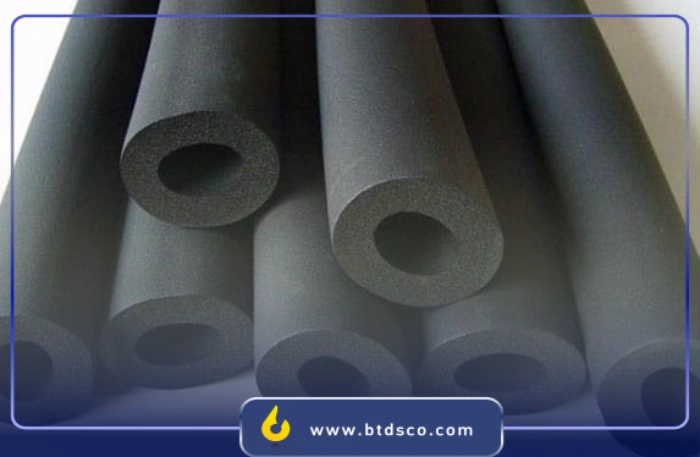
Pipe insulation foam is a specialized material designed to wrap around pipes, providing a barrier against temperature fluctuations, moisture, and mechanical damage. Primarily made from polymers like polyurethane, polyethylene, or elastomeric foam, it acts as a thermal insulator, preventing heat transfer between the pipe's contents and the surrounding environment.
At its core, pipe insulation foam consists of a cellular structure that traps air or gas, which has low thermal conductivity. For polyurethane foam, the process involves mixing polyol and isocyanates to create a rigid or flexible foam that expands and cures in place. This results in a seamless, high-density insulation that adheres well to pipe surfaces.
The importance of pipe insulation cannot be overstated. In cold climates, it prevents pipes from freezing and bursting, while in hot environments, it maintains fluid temperatures, reducing energy needs for heating or cooling. According to 2025 industry reports, properly insulated pipes can save up to 20-30% on energy bills in HVAC systems.
Polyurethane pipe insulation, in particular, stands out for its low thermal conductivity (around 0.02-0.03 W/m·K), making it one of the most efficient options available. It also offers excellent compressive strength and resistance to chemicals, ensuring longevity in harsh conditions.
Types of Pipe Insulation Foam
Pipe insulation foam comes in various types, each suited to specific applications based on material properties, installation methods, and environmental requirements.
1.Polyurethane Foam: This is a rigid, closed-cell foam ideal for high-temperature pipes. It provides exceptional thermal insulation and is often used in injection or spray forms for seamless coverage. Densities range from 30-60 kg/m³, with fire-retardant options available.
2. Polyethylene Foam: A flexible, closed-cell material that's lightweight and easy to install. It's commonly used for domestic plumbing due to its moisture resistance and affordability. However, it has higher thermal conductivity than polyurethane.
3. Elastomeric Foam: Made from synthetic rubber, this type is flexible and UV-resistant, making it suitable for outdoor applications. It's vapor-permeable and often pre-slit for quick installation.
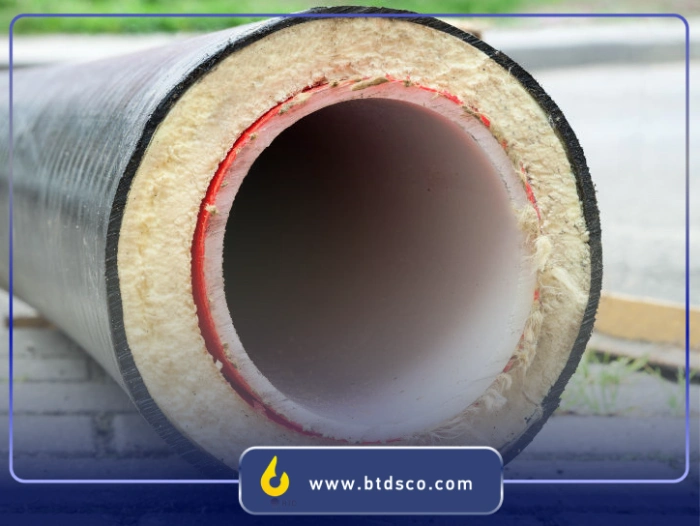
4. Fiberglass-Reinforced Foam: A hybrid that combines foam with fiberglass for added strength, used in industrial settings where mechanical protection is needed.
5. Phenolic Foam: Known for its fire resistance and low smoke emission, it's used in high-risk areas like oil and gas pipelines.
In 2025, bio-based polyurethane foams have gained traction, derived from renewable sources like castor oil, offering similar performance with reduced environmental impact. Selection depends on factors like pipe diameter, operating temperature (from -200°C to 150°C), and exposure to elements.
Benefits of Pipe Insulation Foam
The advantages of using pipe insulation foam extend beyond energy savings, encompassing economic, environmental, and operational benefits.
- Energy Efficiency: By minimizing heat loss or gain, insulation reduces the workload on heating and cooling systems. For instance, in industrial processes, it can prevent up to 90% of heat loss in steam lines.
- Condensation Control: Foam prevents moisture buildup on cold pipes, reducing the risk of corrosion, mold growth, and water damage.
- Noise Reduction: The cellular structure absorbs vibrations and sound, making it useful in plumbing systems to quiet water flow.
- Durability and Protection: It shields pipes from physical impacts, UV rays, and chemical exposure, extending service life and reducing maintenance costs.
Economically, the return on investment is quick; studies from 2025 show payback periods of 1-3 years through energy savings. Safety-wise, fire-retardant foams comply with standards like ASTM E84, ensuring low flame spread.
Applications of Pipe Insulation Foam
Pipe insulation foam finds widespread use across industries, adapting to diverse needs.
- HVAC Systems: In heating, ventilation, and air conditioning, it insulates ducts and pipes to maintain air temperatures, improving system efficiency.
- Plumbing and Water Supply: For hot and cold water lines, it prevents freezing in winter and heat loss in distribution systems.
- Industrial Processes: In chemical plants, oil refineries, and food processing, it handles extreme temperatures, ensuring process stability.
- Oil and Gas Pipelines: Rigid polyurethane foam is used for subsea and onshore lines, providing thermal and corrosion protection.
- Refrigeration and Cryogenics: Low-temperature applications benefit from foam's ability to maintain sub-zero conditions without brittleness.
- Solar and Renewable Energy: Insulating pipes in solar thermal systems maximizes heat retention.
In residential settings, it's essential for energy-efficient homes, while commercial buildings use it to meet green building certifications like LEED.
Installation Guide for Pipe Insulation Foam
Proper installation is crucial for maximizing the benefits of pipe insulation foam. Here's a step-by-step guide:
1. Preparation: Measure pipe dimensions and select appropriate foam type. Clean pipes to remove dirt and rust.
2. Cutting and Fitting: For pre-formed sleeves, slit and wrap around pipes. Use adhesive or tape for seams.
3. Injection or Spray Method: For polyurethane, mix components and inject into molds or spray directly, allowing expansion.
4. Sealing Joints: Apply vapor barriers and seal with compatible tapes to prevent air leaks.
5. Protective Jacketing: In outdoor or high-abrasion areas, add metal or PVC cladding.
Tools needed include utility knives, measuring tapes, and safety gear. Common mistakes include improper sealing, leading to energy loss. Professional installation is recommended for complex systems.
In 2025, automated installation robots have emerged for large-scale projects, ensuring precision and reducing labor costs.
Maintenance and Troubleshooting
Maintaining pipe insulation foam ensures long-term performance.
- Regular Inspections: Check for damage, moisture ingress, or compression every 6-12 months.
- Cleaning: Use mild detergents for surface dirt; avoid harsh chemicals that degrade foam.
- Repairs: Patch small tears with foam fillers; replace sections if severely damaged.
Troubleshooting issues like condensation indicate poor vapor barriers, while reduced efficiency may signal compression. Lifespan typically ranges from 10-30 years, depending on material and environment.
Preventive measures include UV-protective coatings for outdoor use and rodent repellents in prone areas.
Technical Specifications and Standards
Understanding technical specs is key for selecting the right foam.
- Thermal Conductivity (k-value): Lower values (e.g., 0.025 W/m·K) indicate better insulation.
- Density: 30-100 kg/m³ affects strength and insulation.
- Water Vapor Permeability: Low permeability prevents moisture issues.
- Fire Rating: Class 0 or 1 for safety.
Standards include ISO 4898 for polyurethane, ASTM C534 for elastomeric, and EN 14304 for European compliance.
In 2025, advancements include smart foams with embedded sensors for real-time monitoring of temperature and integrity.
Conclusion
Pipe insulation foam is a vital component in modern infrastructure, offering energy savings, protection, and sustainability. From its types and benefits to installation and maintenance, understanding this material empowers better decision-making for efficient systems.
Baspar Tose’e Davam Shimi Company continues to innovate in polyurethane solutions, providing top-tier polyols for pipe insulation foam that meet the demands of today's eco-conscious world. For more details, visit their website at btdsco.com.
Frequently Asked Questions
What is the best type of pipe insulation foam?
Can it be used outdoors?
Does it prevent pipe freezing?
Is it fire-resistant?
How thick should it be?
Recent Articles


Follow Us On
News